
Inca Trail


The Inca Trail was originally built by the Incas, a pre-Columbian civilization that lived in the Andes Mountains of South America from the 11th to the 16th century. The trail was used as a trade and transportation route throughout the Incan Empire, which spanned from modern-day Colombia to Chile and Argentina. The Inca Trail was also used as a pilgrimage route to Machu Picchu, which was considered a sacred site by the Incas. Machu Picchu was constructed in the 15th century as an estate for the Incan emperor Pachacuti, and it is believed that only a small number of people lived there at any given time.
After the Spanish conquest of Peru in the 16th century, the Inca Trail was largely abandoned and fell into disrepair. It wasn’t until the early 20th century that the trail was rediscovered and brought back into use by archaeologists and explorers.
Today, the Inca Trail is a popular tourist destination and is recognized as a UNESCO World Heritage Site. The trail is carefully managed by the Peruvian government and is considered a valuable cultural and historical resource. The Inca Trail is a popular hiking route that leads to the iconic Machu Picchu ruins in Peru. The hike itself is about 27 miles (42 kilometers) long and typically takes four days to complete. Here are some things you should know about the hike:
The Inca Trail is a high-altitude trek, with elevations reaching up to 13,800 feet (4,200 meters) above sea level. Therefore, it’s important to be well-prepared for the physical demands of the hike. The trail offers stunning views of the Andes Mountains and passes through several Incan ruins and archaeological sites.
The Peruvian government regulates the number of hikers who are allowed on the trail each day, so it’s important to book your trek well in advance. Along the way, hikers camp in designated campsites and are typically accompanied by guides and porters who carry equipment and supplies. The Inca Trail is a popular trek, so expect to encounter other hikers along the way. However, the trail is well-maintained and offers a great opportunity to experience the natural beauty of Peru.
The Inca Trail is a once-in-a-lifetime experience that requires a certain level of fitness and preparation. It’s important to research the trail, plan ahead, and make sure you’re physically and mentally ready for the journey.
The Inca Trail is a famous trekking route in Peru that leads to the ancient Incan city of Machu Picchu. Here are some highlights of the Inca Trail:
Scenic Beauty: The Inca Trail offers stunning views of the Andes Mountains, beautiful valleys, and dense forests.
History and Culture: The trail passes through many Incan sites and archaeological sites, providing a glimpse into the history and culture of the ancient Incan civilization.
Machu Picchu: The trail culminates at Machu Picchu, one of the most famous and awe-inspiring archaeological sites in the world.
Challenging Trek: The Inca Trail is a challenging trek that requires physical fitness and stamina, but the sense of accomplishment upon reaching Machu Picchu is unparalleled.
Peruvian Food and Hospitality: Along the trail, hikers can experience the warm hospitality and delicious Peruvian cuisine of the local people.
The Inca Trail is a unique and unforgettable experience that combines adventure, history, culture, and natural beauty.
There are a number of regulations in place to protect the Inca Trail and ensure the safety of hikers. Here are some of the main regulations:
Permits: To hike the Inca Trail, you need a permit, and only a limited number of permits are issued each day (500 permits per day for 4-day hike and 250 permits per day for 2-day hike). This is to limit the number of hikers on the trail and minimize environmental impact. It’s important to book your permit well in advance as they often sell out months in advance.
Guides: All hikers are required to have a licensed guide, and there is a limit of 8 hikers per guide. This regulation is in place to ensure the safety of hikers and to protect the trail.
Porters: There are limits on the amount of weight (20 kg-41 pounds) that porters can carry, and they must be provided with adequate gear, food, and shelter. This is to prevent exploitation and ensure the well-being of the porters.
Waste: Hikers are required to carry out all their waste, including toilet paper, and dispose of it in designated areas. This is to minimize environmental impact and keep the trail clean.
Camping: Camping is only allowed in designated campsites, and hikers must stay in the designated campsites with their group. This is to prevent overcrowding and minimize environmental impact.
These regulations are enforced by the Peruvian government and park rangers who patrol the trail. It’s important to follow the regulations to protect the Inca Trail and ensure that it remains a safe and enjoyable experience for future generations of hikers.
The Inca Trail is a popular hiking route, and availability can be limited due to conservation efforts and the trail’s popularity. Here are some important things to keep in mind regarding Inca Trail availability:
Permits: In order to hike the Inca Trail, you need a permit, and only a limited number of permits are issued each day. The number of permits is limited to 500 per day, and this includes permits for guides, porters, and hikers.
High season: The high season for hiking the Inca Trail is from May to September, which is the dry season in Peru and the peak tourist season. During this time, permits can sell out months in advance, so it’s important to book your permit well ahead of time.
Low season: The low season for hiking the Inca Trail is from October to April, which is the rainy season in Peru. During this time, permits may be easier to obtain, but hiking conditions can be more challenging due to the rain and mud.
Alternative treks: If Inca Trail permits are sold out or unavailable, there are alternative treks to Machu Picchu, such as the Salkantay Trek or the Lares Trek. These treks offer similar scenery and cultural experiences but are less crowded than the Inca Trail.
Booking: It’s important to book your Inca Trail permit through a licensed tour operator, as they have access to the permit system and can secure your permit for you. It’s best to book as far in advance as possible to ensure availability. Peru Summit Adventures is one of the official licensed operators for this trail. If planning to hike this trail, please contact our Inca Trail experts to get further information.
Inca Trail availability is limited due to conservation efforts and the trail’s popularity, and it’s important to book your permit well in advance to ensure availability. If permits are sold out, there are alternative treks to Machu Picchu that offer similar experiences.
The weather on the Inca Trail can vary depending on the time of year, but generally speaking, the best time to hike the trail is during the dry season, which runs from May to September. During this time, the weather is typically sunny and dry, with daytime temperatures ranging from 60-80°F (15-26°C) at lower altitudes and dropping to 30-40°F (0-5°C) at night.
However, it’s worth noting that even during the dry season, there can be occasional rain showers or even snow at higher elevations, so it’s important to pack appropriate gear and be prepared for changing weather conditions.
Outside of the dry season, the weather on the Inca Trail can be much more unpredictable, with more frequent rain and colder temperatures. The wet season runs from November to March, and during this time, it’s common for the trail to be muddy and slippery. Some hikers prefer to avoid the wet season altogether due to the increased difficulty and discomfort of hiking in the rain.
It’s important to do your research and plan ahead for the weather conditions on the Inca Trail hike to Machu Picchu, regardless of the time of year you plan to hike.
The campsites on the Inca Trail are basic with designated areas by the Ministry of Culture for tents and basic facilities (squat toilets) such as toilets and washing stations. The campsites are typically located at strategic points along the trail and are set up by the porters who accompany hikers on the trek.
While the campsites are basic, they do provide a welcome respite from the physical demands of hiking the Inca Trail. Most campsites have communal areas where hikers can relax and socialize.
We provide all the necessary gear for this trek where our hikers feel comfortable, at each campsite, you will find warm water in small containers to wash your hands and face at the end of each hiking day before getting in your tents, besides you will have comfortable sleeping tents, inflatable mattresses, dining tent with chairs, table, lamp, and much more amenities.
It’s worth noting that the campsites on the Inca Trail are regulated by the Peruvian government, and hikers must obtain a permit to camp at each site. The number of permits issued each day is limited in order to minimize the impact on the environment and ensure the safety of hikers.
While the campsites on the Inca Trail may not be luxurious, they provide a comfortable and convenient place for hikers to rest and recharge during their trek.
Preparing for the Inca Trail hike is essential to ensure that you have an enjoyable and safe experience. Here are some tips to help you prepare:
Physical preparation: The Inca Trail is a physically demanding trek, so it’s important to be in good shape before you start. Ideally, you should start a training program at least three months before your trip that includes cardiovascular exercise, strength training, and endurance work. Try to incorporate hikes with similar terrain and elevation gains to the Inca Trail into your training plan.
Altitude acclimatization: Since the Inca Trail reaches high altitudes, it’s important to acclimatize to the altitude before you start your trek. Spend a few days in Cusco or another high-altitude location before you start your hike to allow your body to adjust to the thin air.
Gear preparation: Make sure you have all the necessary gear for your trek, including a good-quality backpack, sturdy hiking boots, a warm sleeping bag, and appropriate clothing for the weather conditions. You should also bring a headlamp, a water filter or purification tablets, and plenty of snacks and water.
Mental preparation: Hiking the Inca Trail requires mental toughness as well as physical fitness. Be prepared for long days of hiking, challenging terrain, and changing weather conditions. Focus on staying positive and motivated, and try to enjoy the experience as much as possible.
Stay hydrated and well-fed: Proper nutrition and hydration are key to staying energized and healthy during the Inca Trail. Make sure to drink plenty of water and eat nutrient-rich foods like fruits, vegetables, and lean proteins. On our hikes, you will be well-fed with a balanced diet freshly prepared by an experienced cook and you will be provided water (boiled water) 3 times a day.
Learn about the trail: Educate yourself about the history and significance of the Inca Trail, as well as the rules and regulations governing the whole trail including Machu Picchu.
Logistical preparation: Make sure you have all the necessary permits and reservations for your Inca Trail trek, as well as any necessary vaccinations (if required) or travel documents. Research the trail and the campsites beforehand so you know what to expect, and consider hiring a reputable guide or tour operator to help you plan your trip. You can contact one of our Inca Trail experts to get further details about this trek.
Preparing for an Inca Trail hike requires a combination of physical fitness, mental toughness, and logistical planning. By taking the time to prepare properly, you can ensure a safe, enjoyable, and memorable trek.

Here are some tips to help you make the most of your Inca Trail trek:
Pack light: You’ll be carrying your own gear during the trek, so it’s important to pack light and bring only the essentials. Consider renting or buying gear in Cusco to save weight and space in your backpack. On our treks, we provide a porter to help with your gear (up to 7kg/ 14 pounds), if taking another company make sure to ask if they provide any extra porter or if you will carry your own gear.
Take it slow: The Inca Trail is a challenging trek, so it’s important to pace yourself and take breaks when needed. Don’t be afraid to take it slow and enjoy the scenery along the way.
Stay hydrated: It’s important to stay hydrated during the trek, so make sure to bring plenty of water and drink frequently. Consider using a hydration system like a water bladder to make it easy to drink while you hike.
Dress in layers: The weather on the Inca Trail can be unpredictable, so it’s important to dress in layers that you can easily add or remove as needed. Bring a waterproof jacket and pants in case of rain.
Bring snacks: You’ll need plenty of energy to complete the trek, so bring plenty of high-energy snacks like nuts, trail mix, and energy bars to keep you going.
Respect the environment: The Inca Trail is a protected area, so it’s important to respect the environment and follow the Leave No Trace principles. Don’t litter, stay on the designated trail, and avoid disturbing wildlife.
Take care of your body: Hiking the Inca Trail can be physically demanding, so it’s important to take care of your body during the trek. Stretch before and after hiking, use trekking poles to reduce the impact on your knees, and consider bringing a foam roller or massage ball to help soothe sore muscles.
The Inca Trail is an amazing trek that requires careful planning, physical fitness, and mental toughness. By following these tips and preparing properly, you can have an unforgettable experience on the trail.
With Peru Summit Adventures on this trek, food is awesome and well balanced, you will have enough food from varieties of vegetables, pasta, chicken, beef, quinoa, local potatoes, trout, porridge for breakfast, coffee, milk, and much more things, all this prepared by an experienced cook, which will be served in comfortable tents with tables, chairs, lamps. You will also have options for vegetarians, vegans, or gluten-free. When going with other companies make sure to ask if the food will be enough and fresh.
The Inca Trail is a scenic and historic trek that offers a variety of sights and experiences. Here are some of the highlights that you can expect to see along the way:
Stunning mountain scenery: The Inca Trail passes through the Andes Mountains, offering breathtaking views of snow-capped peaks, lush valleys, and winding rivers.
Inca ruins and archaeological sites: The trail is dotted with Inca ruins and archaeological sites, including the famous ruins of Machu Picchu. Other notable sites include the ruins of Runkuracay, Sayacmarca, and Phuyupatamarca.
Diverse flora and fauna: The Inca Trail passes through a range of ecosystems, including high-altitude grasslands, cloud forests, and subtropical jungles. Along the way, you can see a variety of plants and animals, including orchids, hummingbirds, and even Andean spectacled bears.
Traditional Andean villages: The Inca Trail passes through several traditional Andean villages, where you can learn about the culture and customs of the local people.
Spectacular sunrises and sunsets: Watching the sunrise or sunset over the Andes is a highlight of the Inca Trail trek. Many campsites are located in scenic locations that offer stunning views of the surrounding mountains.
Starry nights: If you love astrophotography, this trek is yours. You will have clear sky nights to take amazing pictures especially the Phuyupatamarca campsite.
The Inca Trail offers a wide range of sights and experiences, from historic ruins and scenic landscapes to diverse flora and fauna and traditional Andean culture. Whether you’re a history buff, a nature lover, or simply looking for a challenging adventure, the Inca Trail has something to offer.
See below our list of the Inca Trail hikes to Machu Picchu, click on each option to see further information.
Here are some common questions and answers:
Q: What is the best time of year to hike the Inca Trail?
A: The best time of year to hike the Inca Trail is during the dry season, which is from May to September. However, this is also the peak tourist season, and permits can sell out well in advance. The shoulder seasons of April and October can also be good times to hike, as the crowds are smaller and the weather is still relatively dry.
Q: How difficult is the Inca Trail hike?
A: The Inca Trail is a challenging trek, with steep climbs and descents, high altitude, and variable weather conditions. Hikers should be in good physical condition and prepared for the rigors of the trail. However, with proper preparation and pacing, the hike is achievable for most people.
Q: Do I need a guide to hike the Inca Trail?
A: Yes, all hikers on the Inca Trail are required to have a licensed guide. This is to ensure the safety of hikers and protect the trail. Guides are knowledgeable about the history and culture of the trail and can help hikers acclimate to the high altitude. Besides, the Inca Trail is only booked through a licensed tour operator, which provides you with all the back support, make sure to contact a reputable company for your adventure. We are also one of the official and licensed tour operators for this trek, any questions please contact us.
Q: What should I bring on the Inca Trail hike?
A: It’s important to bring sturdy, comfortable hiking shoes, warm clothing for the cold nights, rain gear for the variable weather, sunscreen, insect repellent, and a good backpack with plenty of water and snacks. It’s also recommended to bring a camera, binoculars, and a headlamp or flashlight.
Q: Are there restrooms on the Inca Trail?
A: There are restrooms at the campsites along the trail, but they are basic and may not have toilet paper or hand sanitizer. Hikers should bring their own toilet paper and hand sanitizer and be prepared to use “natural” restroom facilities along the trail.


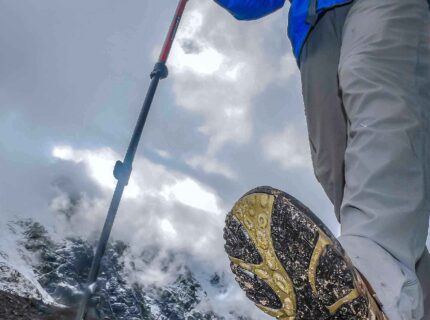


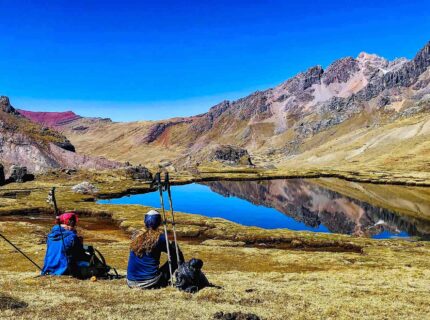





We can customize this private tour just for you. Any detail can be tailored – activities, length, hotels, and other destinations as well as we can accommodate this tour to the photography experience. Use the form below to start planning your experience of a lifetime.

Peru Summit Adventures has been awarded the TripAdvisor Certificate of Excellence for the past five years in a row.
The experts at Peru Summit Adventures specialize in crafting highly-customized trips. We look forward to answering your questions about your upcoming travel plans. Get started by filling out the information below.
Peru Summit Adventures has been awarded the TripAdvisor Certificate of Excellence for the past five years in a row.
